



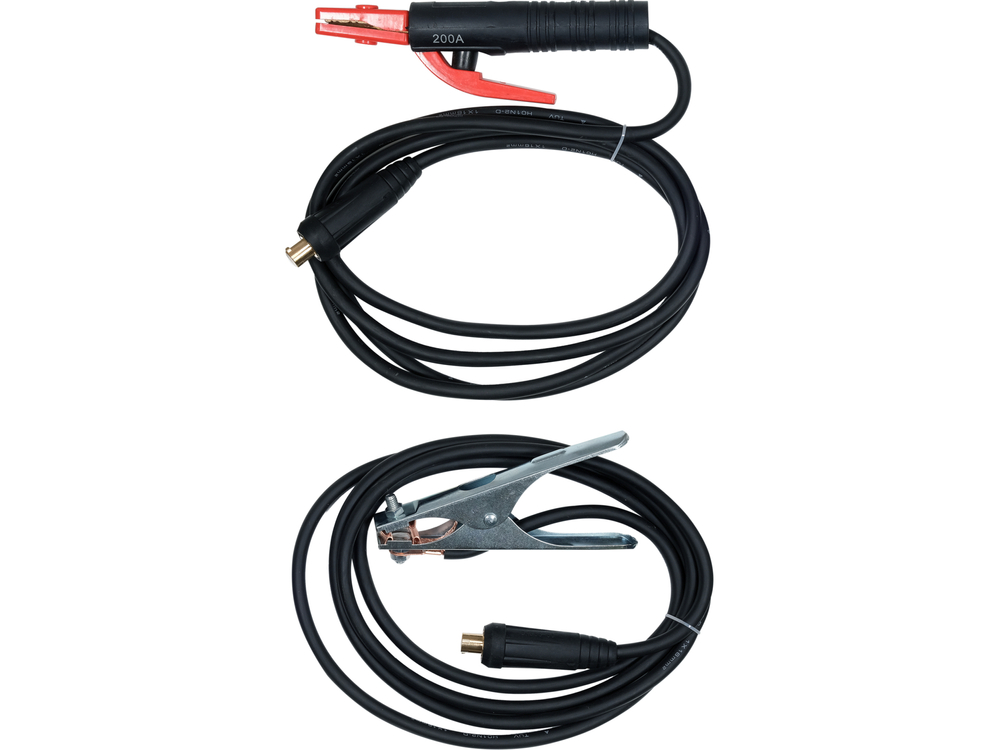
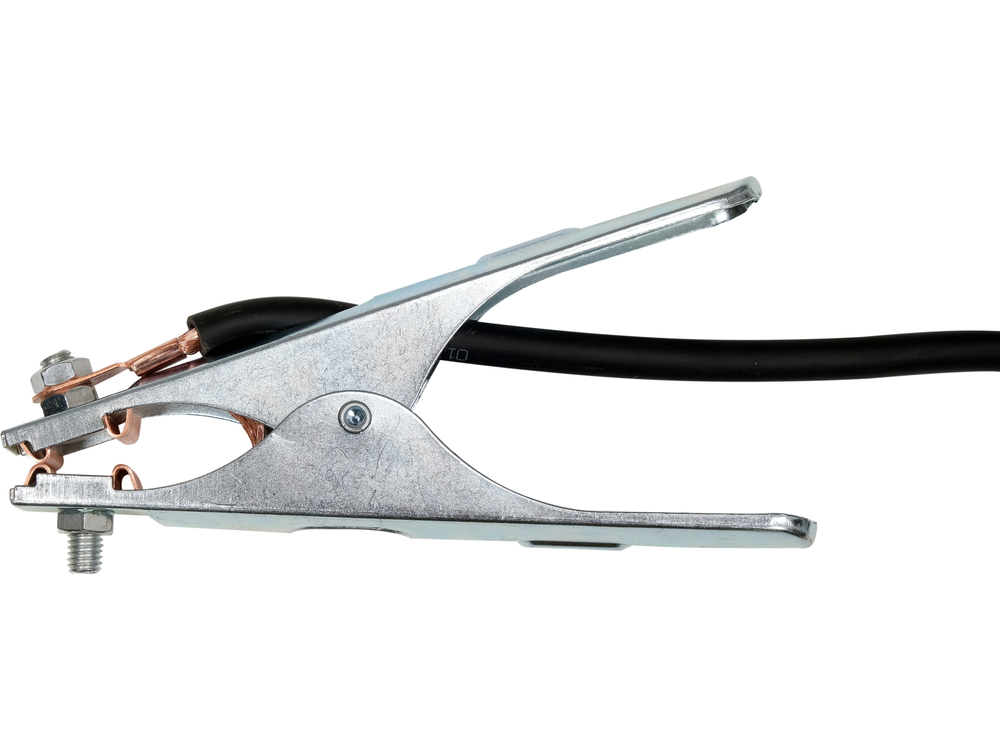
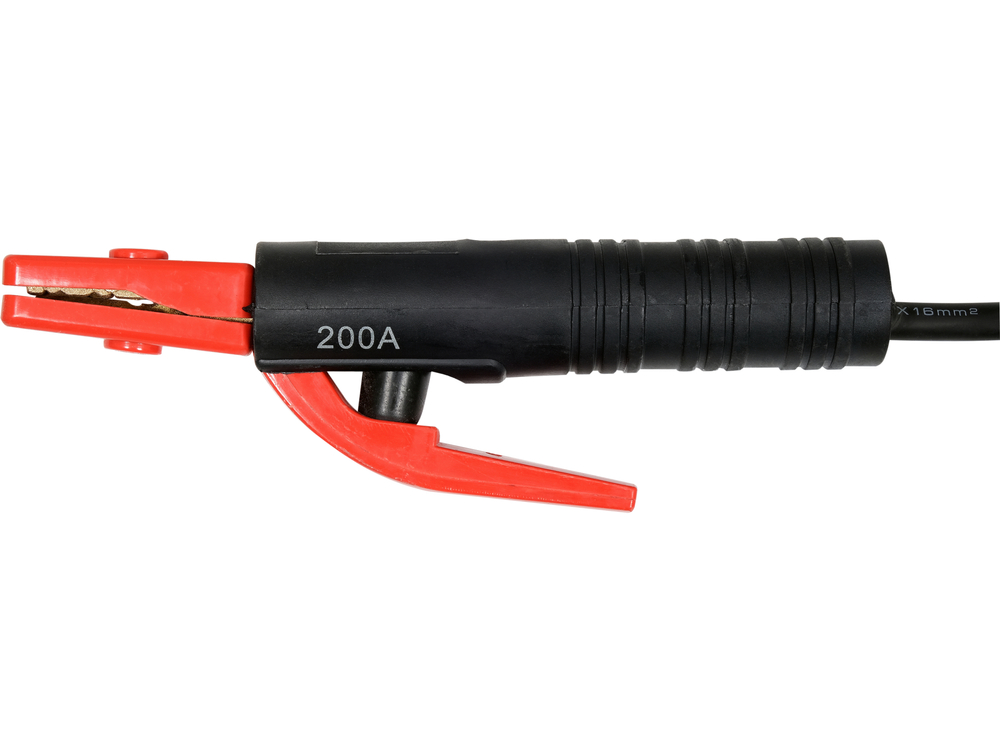
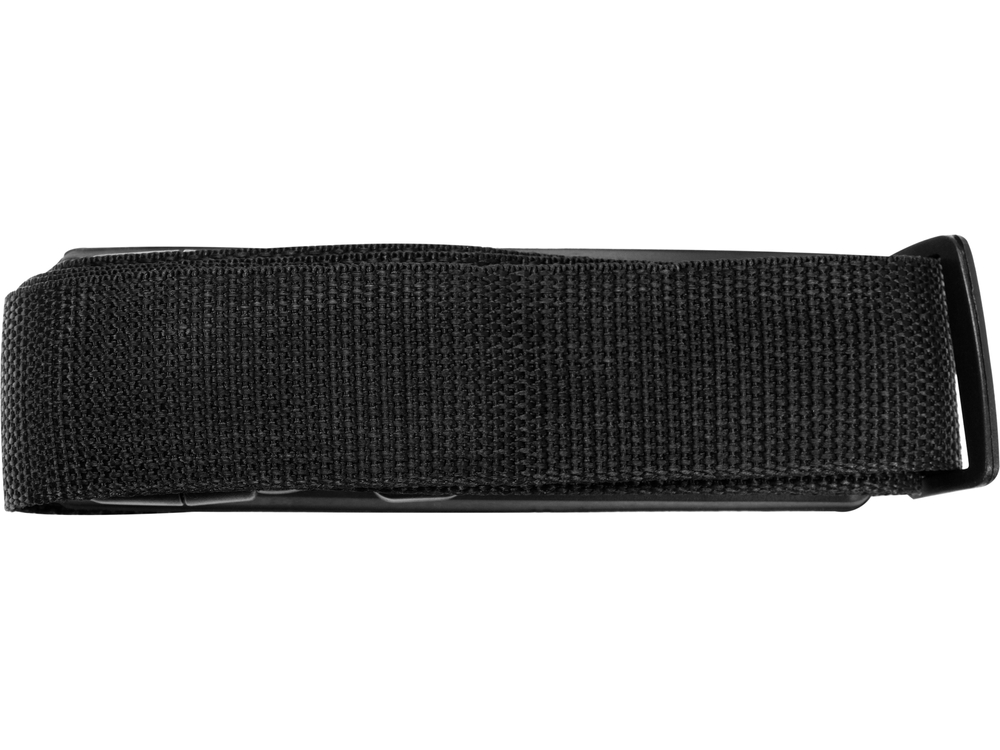

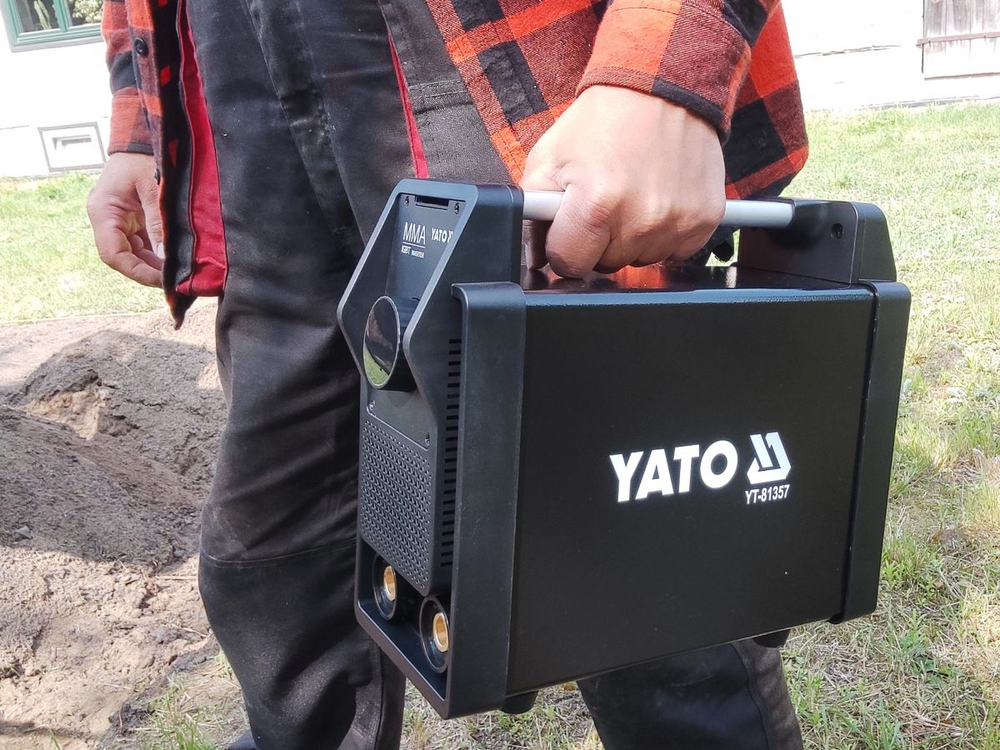
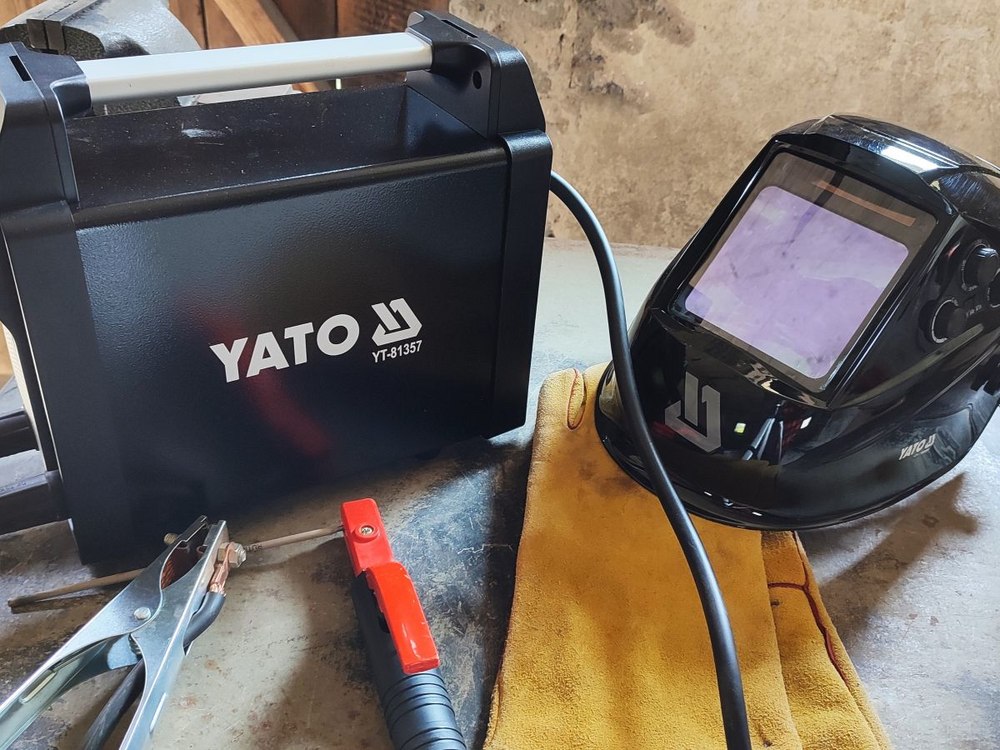
YT-81357
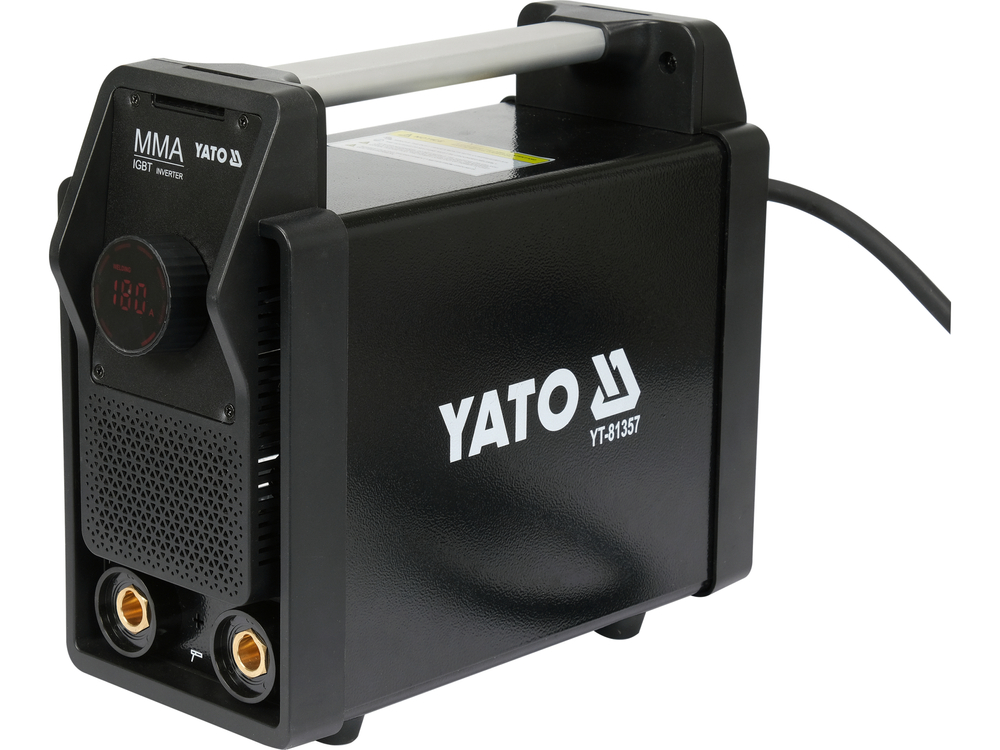
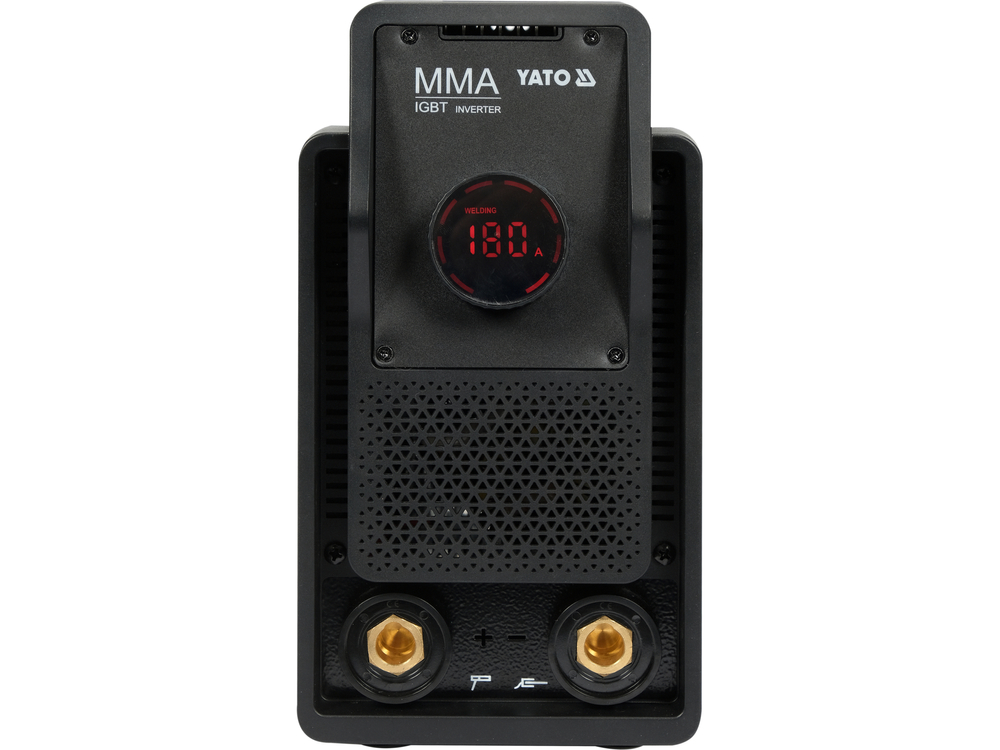
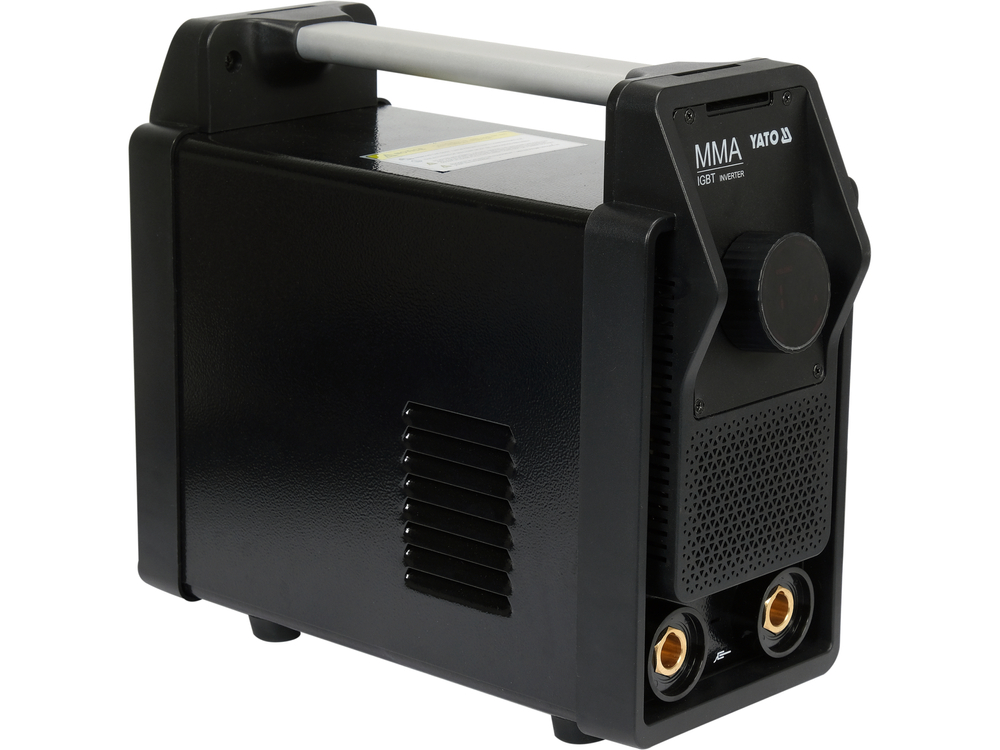
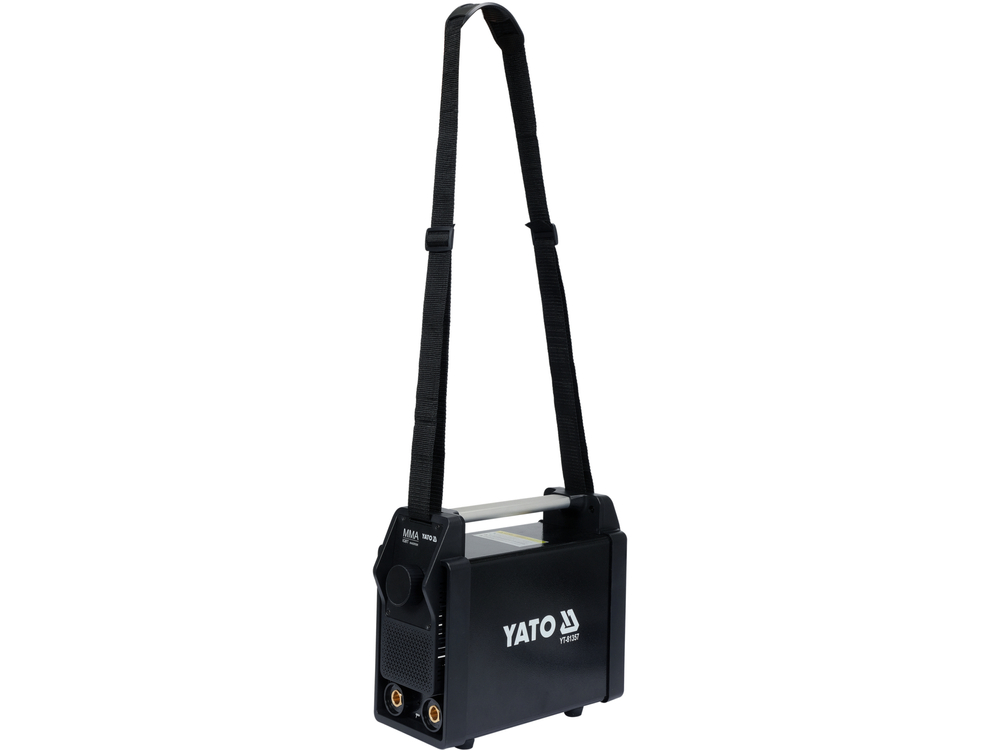
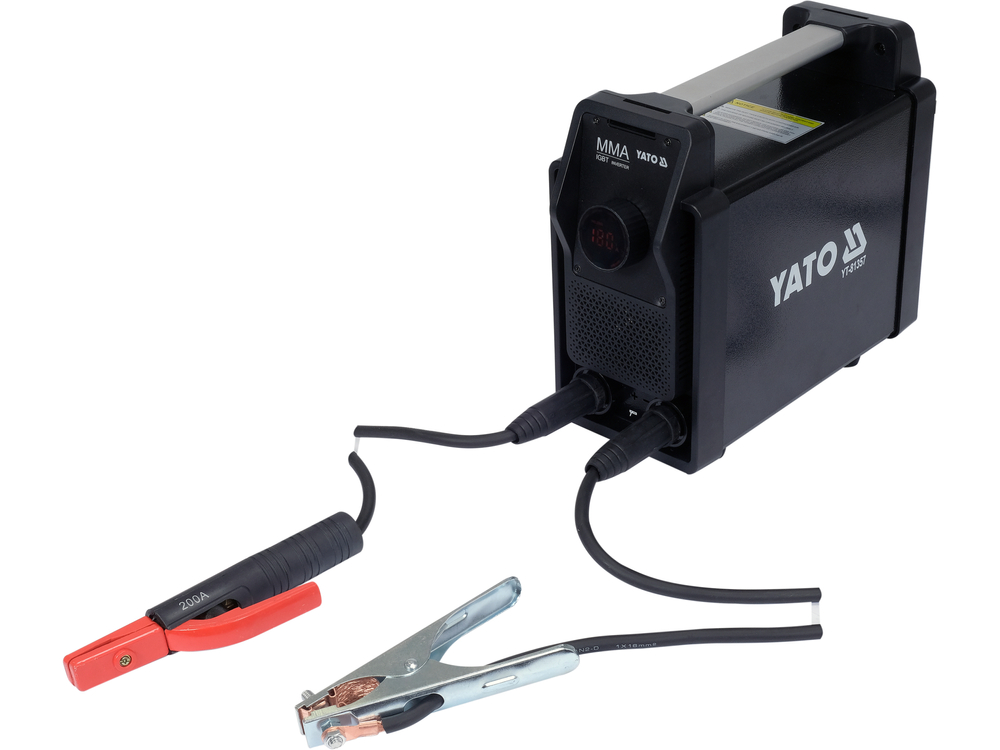
INVERTER WELDER MMA 180A


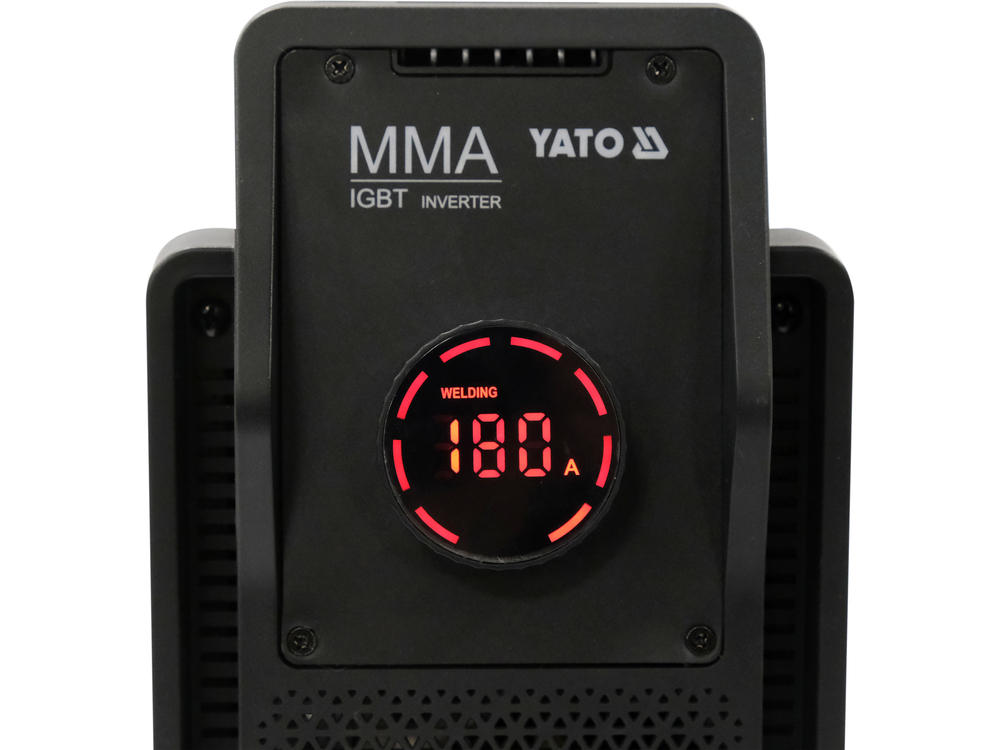
Inverter MMA 180A welder based on the latest generation IGBT transistors, with advanced features and the option of DC TIG LIFT welding. It uses a groundbreaking solution in the welding equipment market in the form of a specially designed microprocessor that independently manages the entire welding process. Reduction of logic circuits and proprietary current sampling method not only reduce the device's failure rate, but above all greatly facilitate the welding process. The ease of obtaining high-quality welds is appreciated by both professionals and individuals with little experience. Quick and intuitive control with a single knob click. Suitable for rutile, cellulose, and basic electrodes.
Designed by our factory, produced in Taiwan microprocessor is based on ARM4 architecture, in 55nm technology, with a clock speed of 200Mhz in 32-bits. It allows control of the latest generation transistors with a speed of up to 70Khz, almost twice as fast as in comparable devices. It has a proprietary solution for analyzing welding parameters at a speed of about two hundred million times per second. It eliminates the need for additional circuits for functions such as ARC FORCE, ANTI STICK, or HOT START. The absence of additional circuits means that the impact of disturbances generated in the current transformation process on welding quality is marginal, imperceptible to the user.

Real Hot start
When the electrode is applied to the material being welded, the welder momentarily increases the welding current, making it much easier to strike the arc. Model YT-81357 allows adjustment of the function in the range of 0-10% and the duration of its operation from 0.0 to 1.0s. An experienced welder will use the adjustment possibility to work with cellulose and basic electrodes.
Real Arc force
It adjusts the arc dynamics depending on the distance between the electrode and the welded element. The multitasking microprocessor used in YT-81357 analyzes welding parameters about two hundred million times per second. It analyzes the measurement results in real-time. Then, by controlling transistors at a speed of up to 70 thousand times per second, it increases or decreases the welding current. All this happens in a fraction of a second, with the aim of obtaining the best quality welding source for the given current setting. Model YT-81357 has the adjustment of parameters of this function in the range of 0-10%. An experienced welder will use the adjustment possibility to work with cellulose and basic electrodes.
Anti stick
It cuts off the welding current when the electrode sticks, allowing the electrode to be detached from the welded material.
VRD
The function lowers the no-load voltage from about 60V to a safe level for humans. Despite its significant impact on safety, the function is often deactivated by users. The reason for such actions is problems with striking the arc, especially among individuals with little experience. Most inverter welders measure the output current using analog sensors, which in short delays the reaction time, making it difficult to strike the arc. The microprocessor in YT-81357 does it differently. It generates a waveform in the welding current circuit at a frequency of about 200Mhz. It real-time monitors waveform distortions, which vary depending on the welding stage. The moment the electrode touches the welded element is detected in a fraction of a second, then the VRD function is disabled, and HOT START starts working. The problem of striking the arc does not occur. Model YT-81357 has the option to enable and disable the VRD function.
Overload and overheat protection (fan on demand)
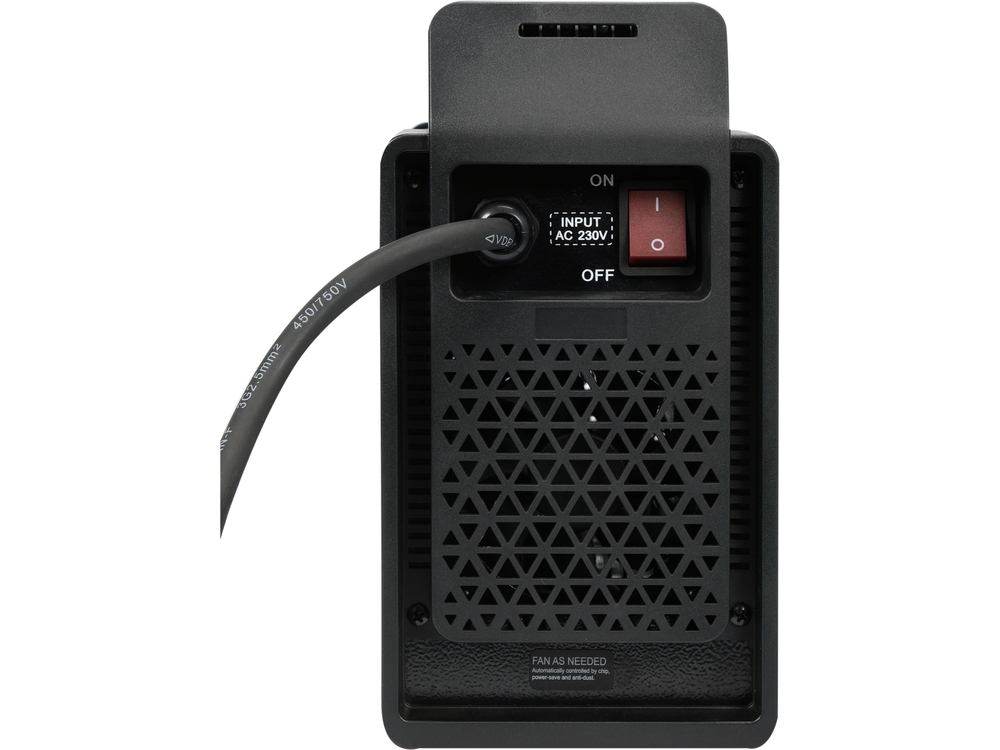
The microprocessor in YT-81357 monitors the temperature of critical components in real-time. Depending on the temperature, it first controls the fan speed, but when the temperature reaches a too high level, the microprocessor smoothly reduces the output current, allowing the electrode to burn out or the weld to be controlled. In most welders on the market, overheating means an immediate shutdown of the welding current, which often results in the need for mechanical corrections in the welded elements. This problem does not occur in YT-81357.


